Dubai policy body recommends establishing PPP unit
17 January, 2018 | By JENNIFER AGUINALDO
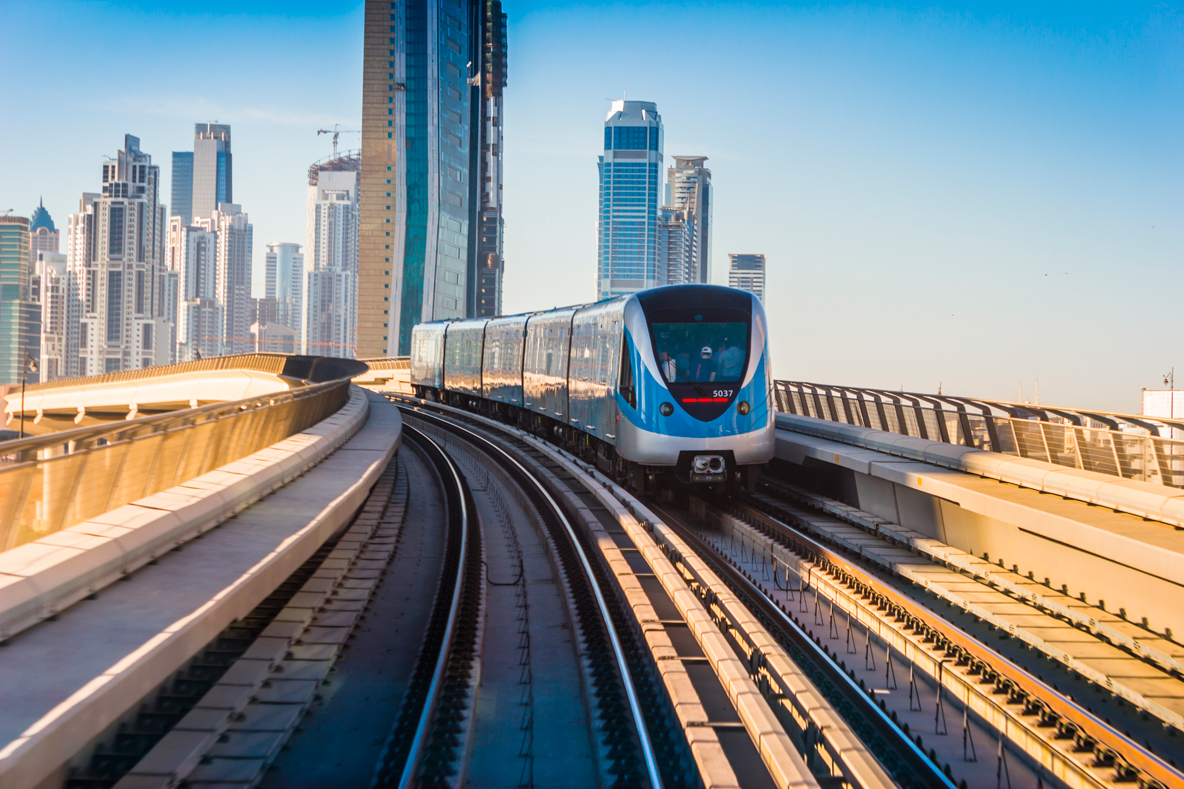
A policy paper published by the Mohammed bin Rashid School of Government (MBRSG) has recommended the establishment of a public-private partnership (PPP) unit within the government.
“I think its introduction would be a useful means of coordinating activity across government and with interested firms looking to involve themselves in PPPs,” says Guy Jonathan Burton, associate professor at MBRSG and author of the paper.
Most countries that have successfully implemented PPP projects, including the UK, some states in Australia and South Africa, have existing PPP units. In the Middle East and North Africa region, Egypt and Saudi Arabia have also established PPP units within their finance and economic planning ministries, respectively.
According to Burton, the UAE would benefit from establishing a PPP unit at the beginning of the process rather than later, which was often the case in other countries.
Citing an OECD finding, the policy paper cited that most countries established a PPP unit at a later stage “when they realise the need for one, to provide clarity, coordination, guidance, technical expertise and assessment of PPP projects”.
However, the UAE has to address several key issues before establishing its own PPP unit, including defining its functions and responsibilities, recruitment of qualified staff and its jurisdiction – whether its coverage will include only Dubai or the entire federal government.
Dubai’s finance department approved the emirate’s PPP law in 2015. It also issued guidance for the law the following year.
The guidance set out regulations for four types of PPP contracting. These include build, operate, own and transfer (BOOT); build, operate and transfer (BOT); build, transfer, operate (BTO); and transfer and operate (TO).
It also specified the government agencies to be involved with contracting PPP projects, including: the relevant government entity for PPP projects worth under AED200m ($55m); the finance department for projects worth AED200m-AED500m; and the supreme fiscal committee for projects with budgets exceeding AED500m.
Negotiations for a number of PPP projects outside the power and water sector are already under way in Dubai. They include the development of two new buildings and an automated car park at Dubai Courts as well as the Dubai Union Oasis, a mixed-use real estate project to be developed on the land above the underground station where the Dubai Metro Red and Green lines meet.
Related Posts

Tim Taylor, QC, discusses the impact of Covid-19 on the UAE's legal landscape and disputes market
During a crisis, the legal expectation is ‘deals down – disputes and restructuring up’. While this ...
READ MORE

Existing assets are being upgraded as the emirate grapples with the issue of over supply
The focus for companies engaged in Dubai’s oversupplied real estate sector is shifting from new projects ...
READ MORE

Enforcement of awards has become a key issue as arbitration becomes a more popular method of resolving disputes
Attitudes to dispute resolution are changing in the UAE, particularly since the launch ...
READ MORE

The Covid-19 crisis could not have come at a more difficult time for many traditional retailers in the UAE
Already facing challenges from the rise of online shopping and a growing ...
READ MORE
Ever since the global financial crisis hit the region in 2008, real estate developers in the UAE have been exploring alternative funding methods to deliver their projects.
Export credit funding backed ...
READ MORE
The IMF predicts a strong rebound in global GDP growth in 2021, but the effects of the Covid-19 pandemic will torment the Middle East market for years to come
Click here ...
READ MORE
Commercial property landlords in the UAE need to offer greater flexibility to meet the needs of their tenants in the post-Covid environment, says leading real estate adviser Mashreq
Download the complete ...
READ MORE

Executive Director of Corporate Finance at Aldar Properties Daniele Vecchi comments on structuring capital for balancing risk and return
Download the full report
An icon of innovation and luxury
Explore key insights on ...
READ MORE
Dubai Properties has received proposals from contractors for framework agreements that will cover construction work on the local developers’ upcoming projects.
The proposed framework agreements will be used for a wide ...
READ MORE
Real estate players in Abu Dhabi emphasise the need to balance Abu Dhabi’s property sector to ensure long-term sustainability
This article is the third in a series that captures key highlights ...
READ MORE
The pandemic’s potential impact on disputes
Dubai’s real estate and construction sectors shift focus
UAE arbitration process faces challenges
CONNECT SERIES: Supporting retail through the Covid crisis
Export credit works both ways
Covid-19 will shape future business in the region
UAE landlords must adapt to a changed market
Watch: The evolving role of capital stacking in
Contractors submit proposals for Dubai Properties framework agreements
Balancing real estate supply and demand in Abu
17 January, 2018 | .By JENNIFER AGUINALDO