A disappointing year for growth in the UAE
09 November, 2017 | By ELIZABETH BAINS
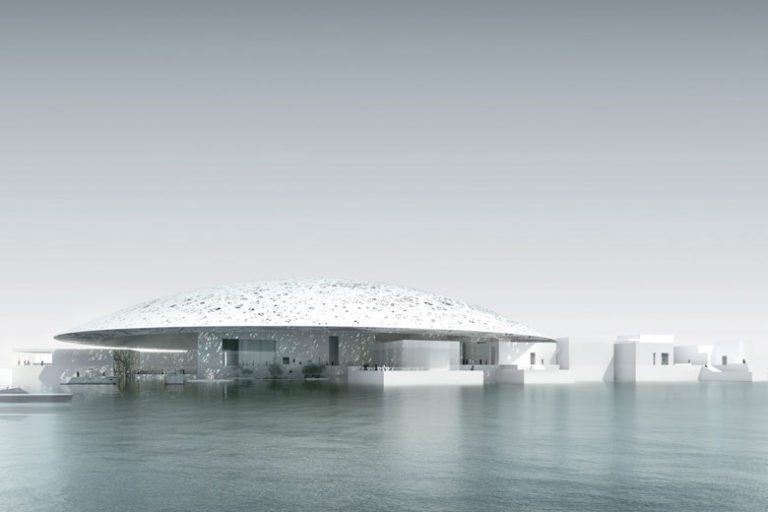
The UAE is seeing muted growth in 2017, estimated at less than 1.5 per cent, as low oil prices and production cuts weigh on the economy.
The non-hydrocarbons sector is faring much better, with GDP growth of more than 3 per cent, but it is largely Dubai’s preparations for hosting Expo 2020 that have been driving the market.
Capital spending in Abu Dhabi (outside the hydrocarbons sector, which is having a strong year for contract awards) remains constrained, with the focus instead on completing megaprojects such as the new airport terminal, the $1.6bn strategic tunnel enhancement wastewater project and the Louvre museum, which is due to open in November.
To boost income, the federal government is introducing new taxes, beginning with excise duties on tobacco and carbonated drinks this month and VAT to follow at the start of next year. While this makes good sense economically, for the ordinary person it is another leap in the cost of living in the UAE.
With about 80 per cent the population comprising expatriates, it is essential the country remains an attractive lure for foreign workers. The rising costs coupled with stagnant wages risk tipping the balance. In this regard, it is fortunate that property prices are weakening. What would usually be seen as a negative economic barometer, falling rents and sales prices on this occasion will be welcomed by the authorities as helping to soften the blow of the new taxes being introduced.
Related Posts
Firms have been invited to submit proposals to develop an incinerator plant under a BOT model
Dubai Municipality has invited firms to submit proposals for a build-operate-transfer (BOT) contract to develop ...
READ MORE

The Mena region is expected to be hit harder and recover more slowly in 2021 than the global average in the IMF’s baseline scenario
The Washington-based IMF has projected a GDP growth ...
READ MORE
The government has committed to investing in new infrastructure projects
Bahrain’s construction market rebounded in 2018 with a total of $2.44bn of contract awards, according to regional projects tracker MEED Projects. The ...
READ MORE

Organ transplant is a procedure in which an organ or part of it is removed from a donor’s body and transplanted/implanted into a recipient. It is done to replace a ...
READ MORE

The MEED Mashreq Construction Partnership is a knowledge-sharing initiative that was started in 2017. The aim is to provide a platform for senior industry executives to discuss and address the ...
READ MORE
Budgeted spending allocated for infrastructure in 2019 drops 22.6 per cent compared with 2018
Dubai’s budget for 2019 has 22.6 per cent less spending allocated to infrastructure projects compared with the ...
READ MORE
How ESG is paving the way for procurement and distribution
As the demand for sustainable business practices reaches a fever pitch, organisations worldwide are increasingly faced with the need to reassess ...
READ MORE
After four difficult years, the outlook remains bleak for anyone hoping for a strong pick up in new project opportunities in the Middle East and North Africa
With some $4.7tn of ...
READ MORE
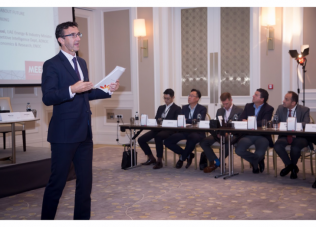
The third Mashreq Energy Club focused on the rise of renewables in the region
The falling costs of clean energy technologies is driving the shift towards renewable energy across the Middle ...
READ MORE
By seeking expressions of interest for an estimated $4bn project, Borouge has helped to boost the market
Borouge, the 60:40 joint venture (JV) of Abu Dhabi National Oil Company (Adnoc) and Austria’s ...
READ MORE
Dubai invites bids for PPP waste plant
Middle East economy to shrink 3.3 per cent
Bahrain keeps building as market rebounds
Organ Transplant in the GCC; A Snapshot
Reengineering Construction – MEED Mashreq Construction Partnership Newsletter:
Dubai to spend less on infrastructure in 2019
BRIEFING PAPER: Navigating modern supply chains
Four-year Mena projects market dip continues
ENERGY CLUB 3: Renewables on the rise in
Abu Dhabi bolsters regional petrochemicals market
09 November, 2017 | .By ELIZABETH BAINS